
Are electric hypercars becoming dangerously quick?
Ferrari is addressing the near-instant acceleration of electric vehicles that can reach levels that are disturbing to the human brain.

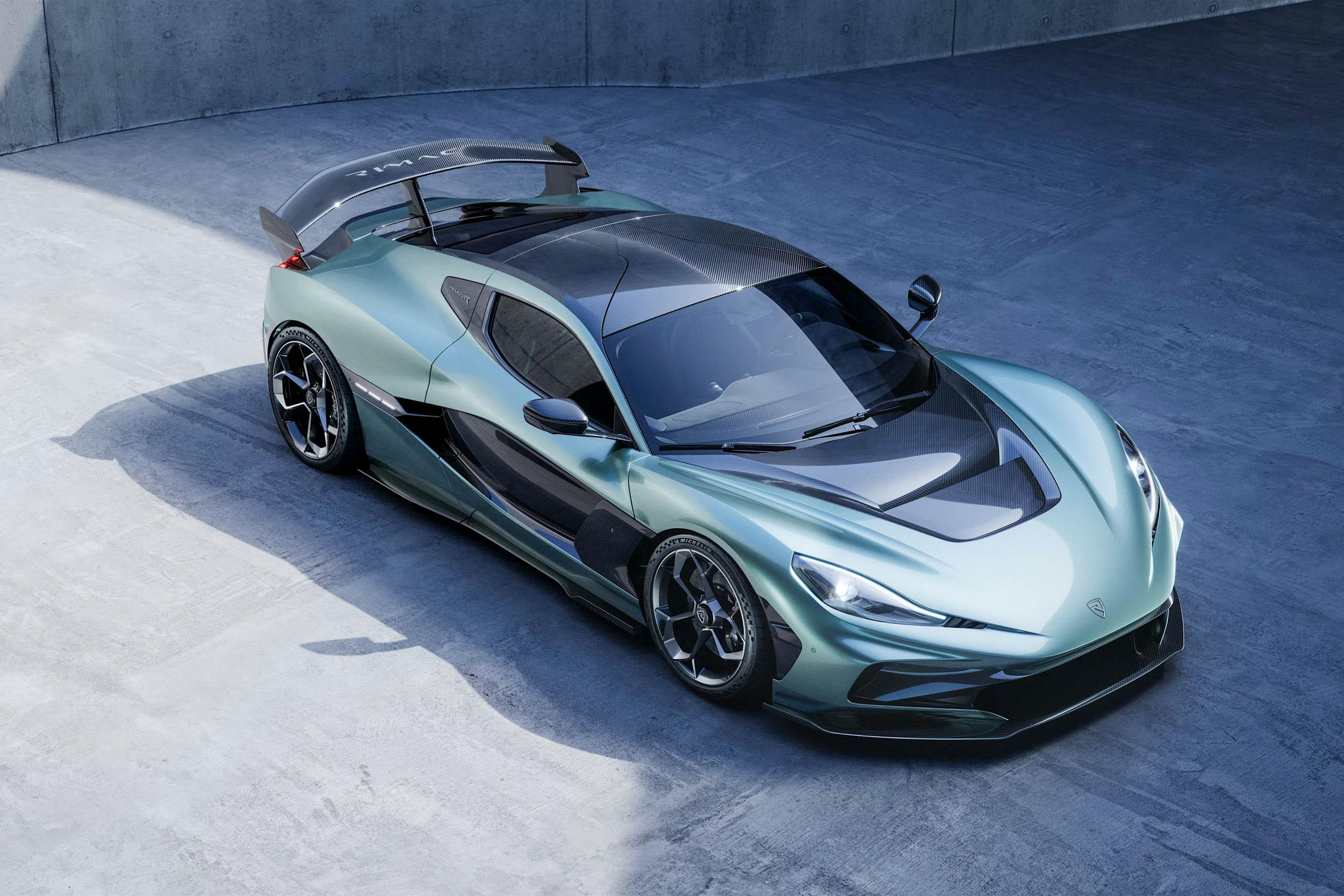
With the rapid advancement of electric motor technology, it’s no surprise that modern electric vehicles EVs are capable of producing immense power and achieving astonishing speeds.
Nowhere is this more evident than in electric hypercars, where four-digit horsepower figures have become increasingly common, unlocking breathtaking levels of acceleration and extreme top speeds.
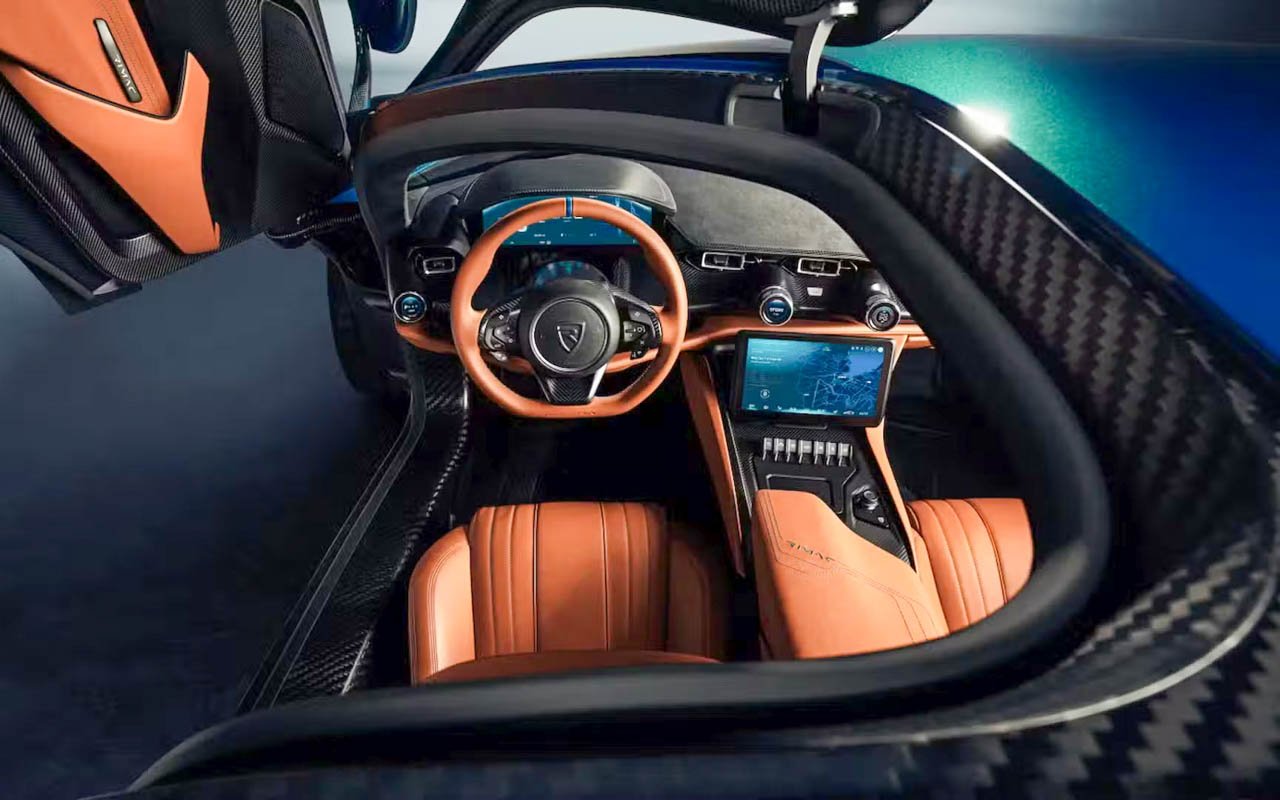
While this level of speed is exactly what performance enthusiasts crave, there’s a growing concern: too much of it can overwhelm the human body and even become dangerous.
One automaker has taken this seriously, recognizing that performance isn’t just about what a machine can do, but what a driver can comfortably process and control.
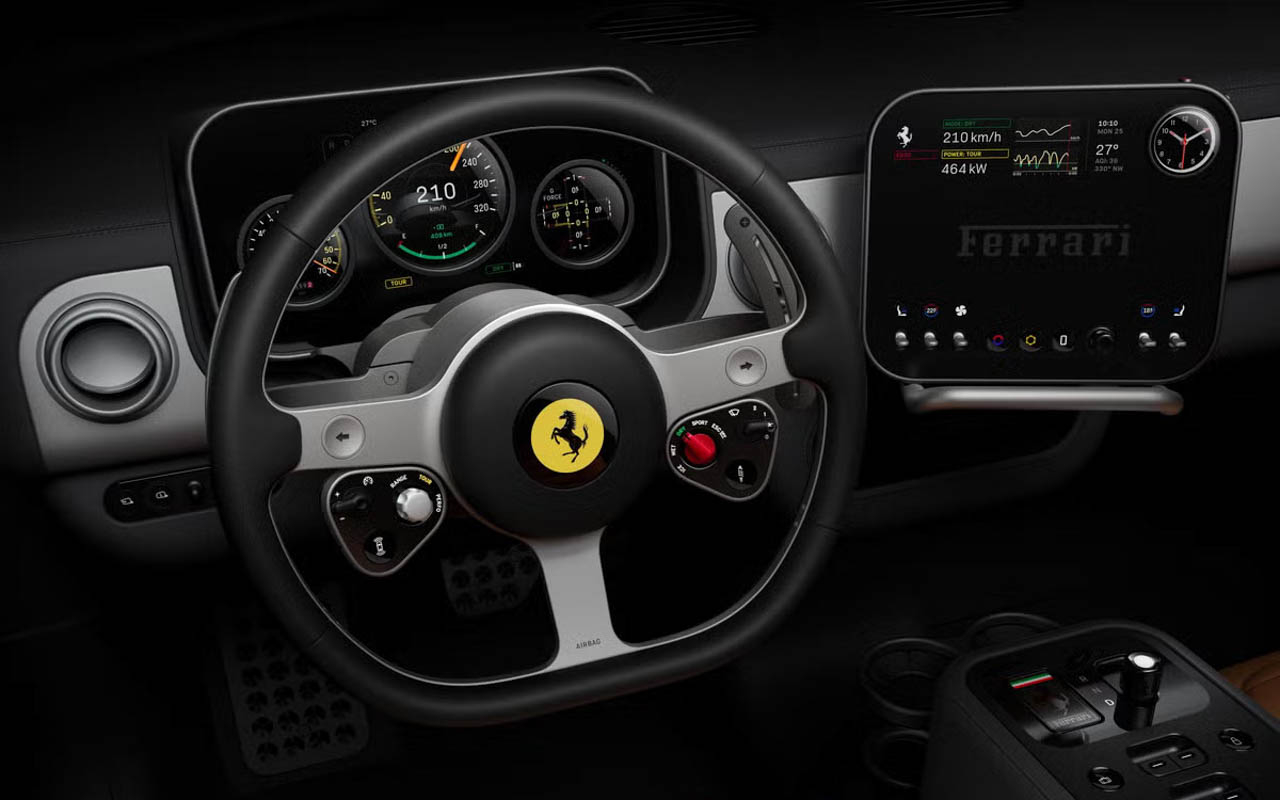
Ferrari is among those leading this shift. The company has reportedly found that the near-instant acceleration of electric vehicles can reach levels that feel “disturbing” to the human brain.
In response, Ferrari is collaborating with the National Aeronautics and Space Administration or NASA and medical experts to better understand these effects and refine the driving experience for its upcoming EV, the Ferrari Luce.
Ferrari CEO Benedetto Vigna has noted that the instant torque of electric motors can create a “stomach-churning” or “jarring” sensation. Instead of feeling exhilarating, this level of acceleration can become mentally overwhelming.
As the upcoming Luce has a projected output exceeding 1,000 horsepower, Ferrari aims to ensure that performance remains enjoyable, not uncomfortable and dangerous.
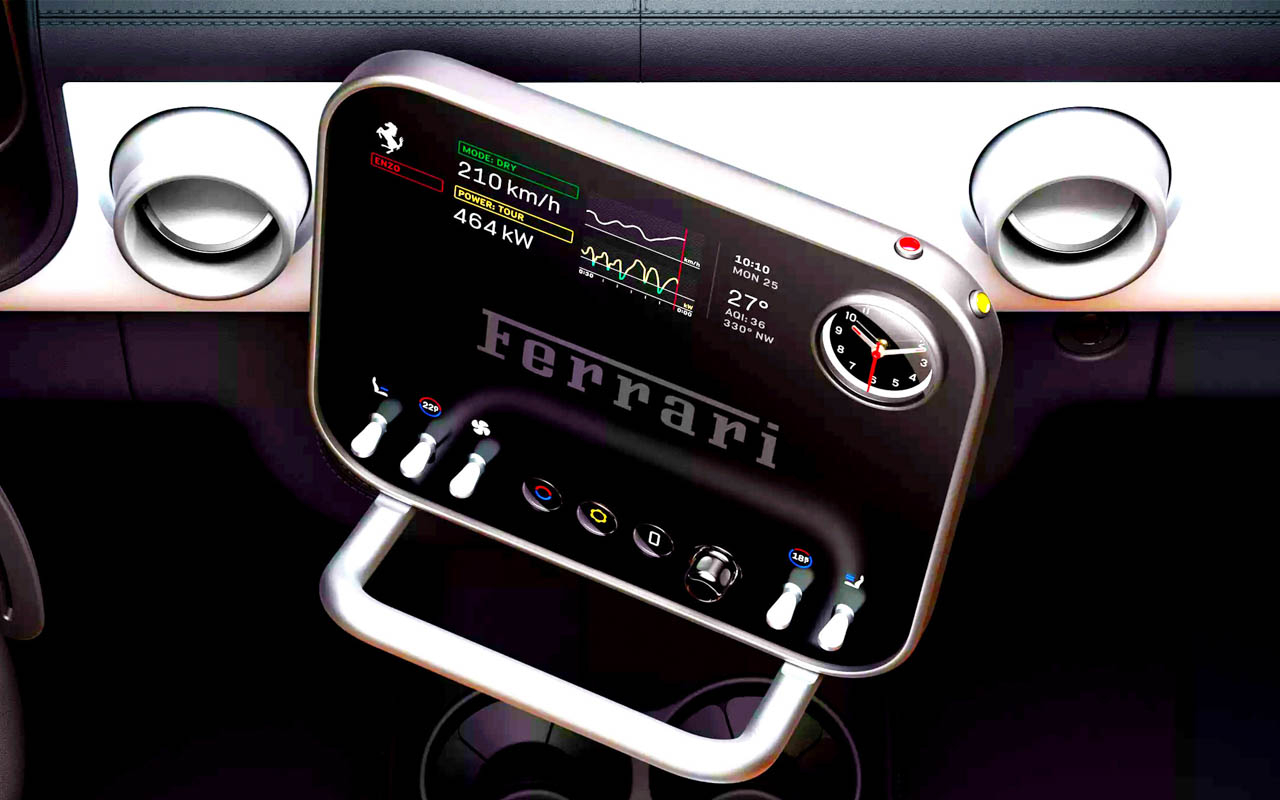
Rather than simply reducing power, Ferrari is focusing on how that power is delivered. By developing more progressive acceleration curves, the brand hopes to replace the violent initial surge with a smoother, more controlled build-up. Despite this refinement, the Luce is still expected to achieve 0–100 km/h in around 2.5 seconds, firmly within supercar territory.
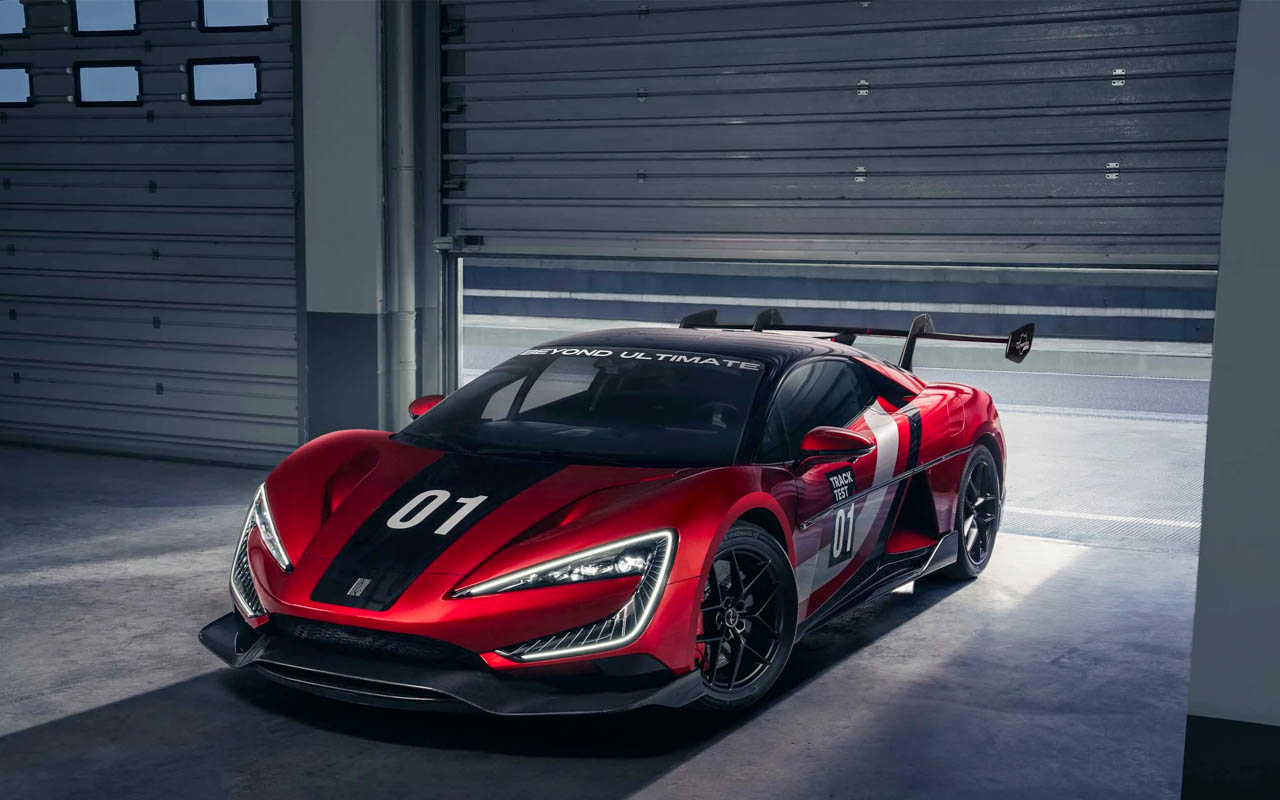
If that already sounds extreme, consider three of today’s most advanced electric hypercars. With quad-motor setups and sophisticated torque vectoring, they can hit 0–100 km/h in under two seconds, performance that pushes the limits of human perception.
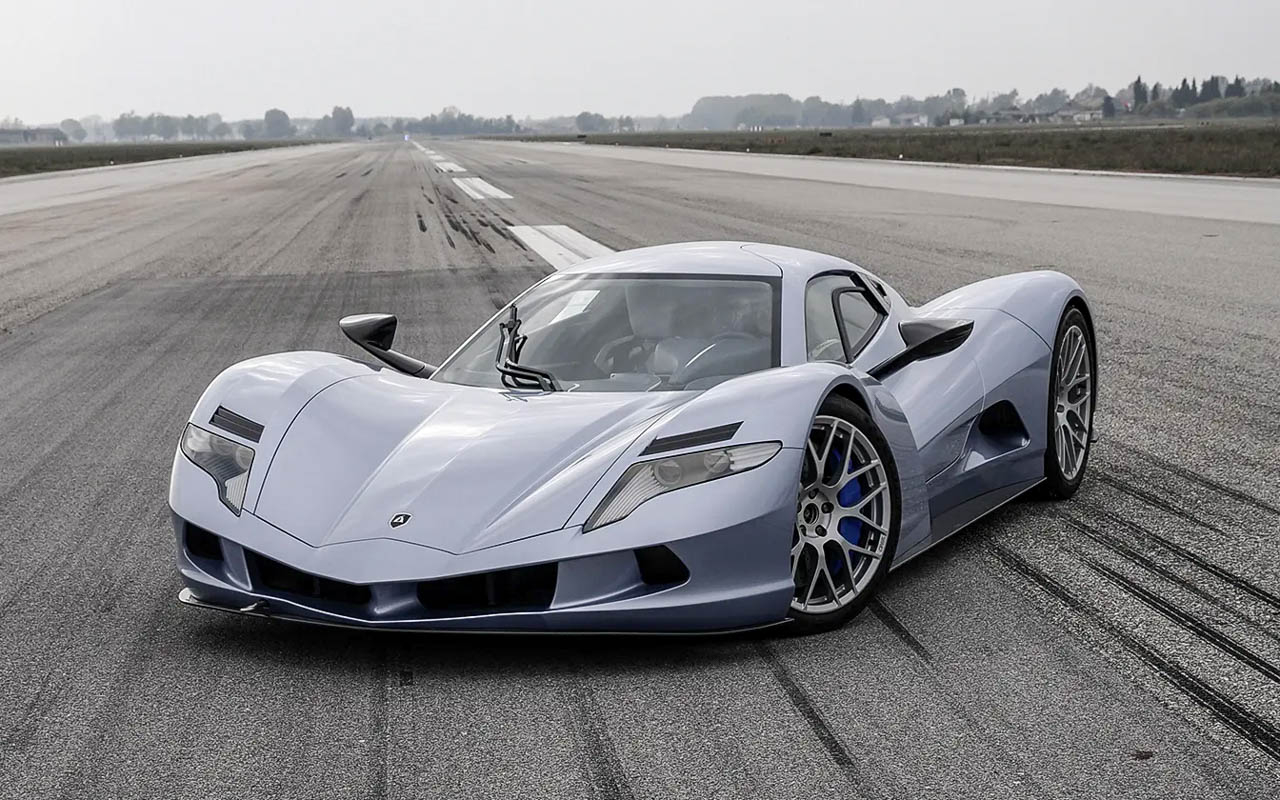
Aspark Owl
Developed in Japan, the Aspark Owl is one of the fastest-accelerating production cars in the world. Its four electric motors produce a total of 1,985 horsepower and 2,000 Nm of torque.
Performance: 0-100 km/h in 1.69 seconds, 0–300 km/h in under 10 seconds, and a top speed of 400 km/h (249 mph).
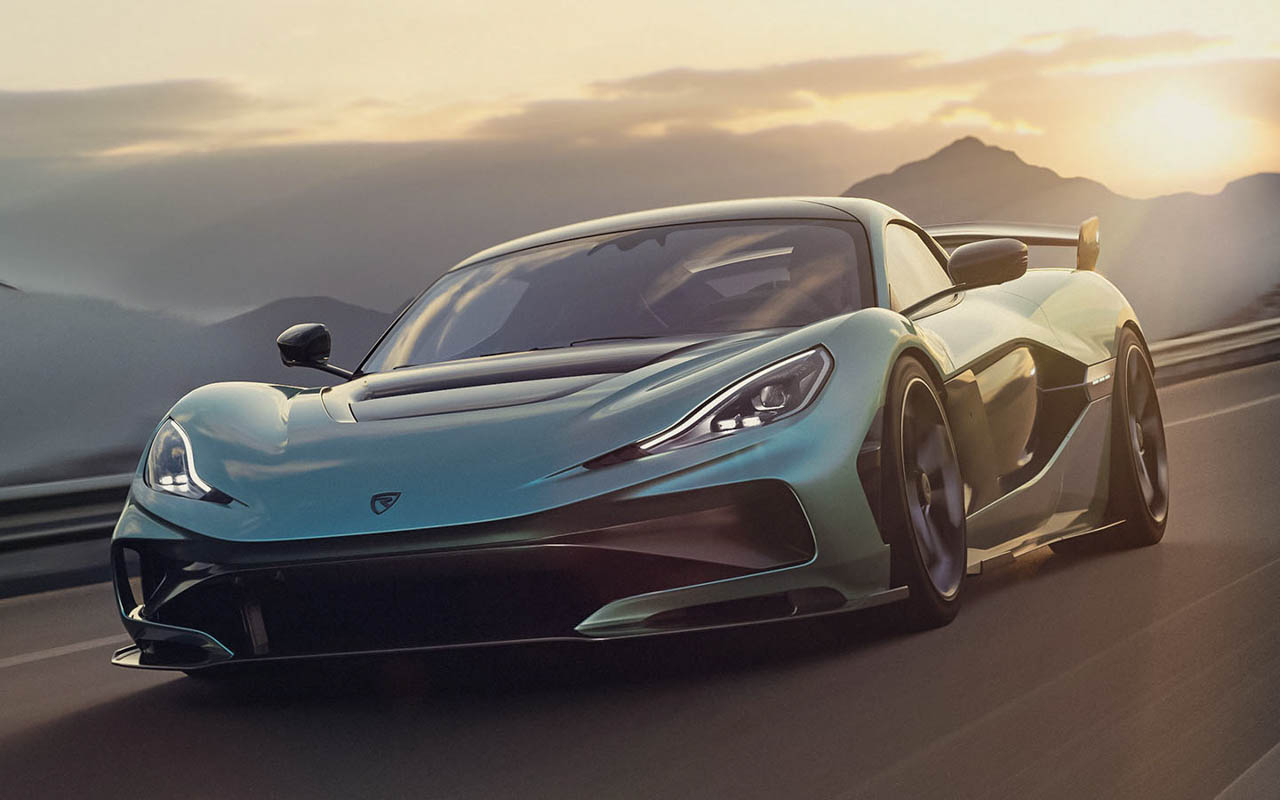
Rimac Nevera R
The track-focused Nevera R pushes electrified performance even further, delivering 2,107 horsepower and 2,340 Nm of torque.
Performance: 0–100 km/h in 1.74 seconds, 0–300 km/h in 7.89 seconds, and a top speed of 431 km/h (256 mph) under controlled conditions.
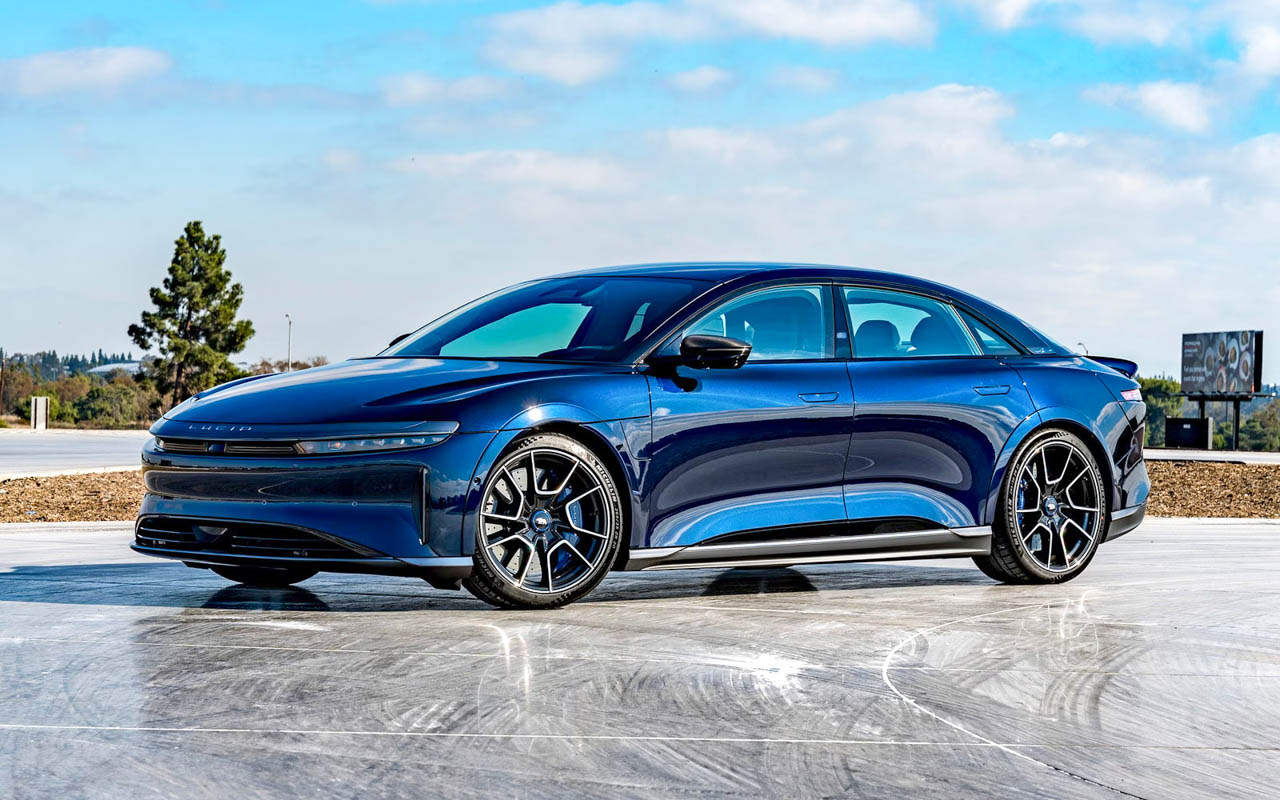
Lucid Air Sapphire
Blending luxury with extreme performance, this tri-motor hyper sedan delivers 1,234 horsepower and 1,939 Nm of torque.
Performance: 0–100 km/h in 1.89 seconds, 0-300 km/h in 9.3 seconds and a top speed of 330 km/h (205 mph).
This shift in thinking highlights a new frontier in automotive engineering, one where acceleration is no longer defined solely by mechanical limits, but by human tolerance.
Automakers that are coming up with high powered electric motors should now be asking not just how fast can we go, but how fast should we go and what the driver can comprehend.
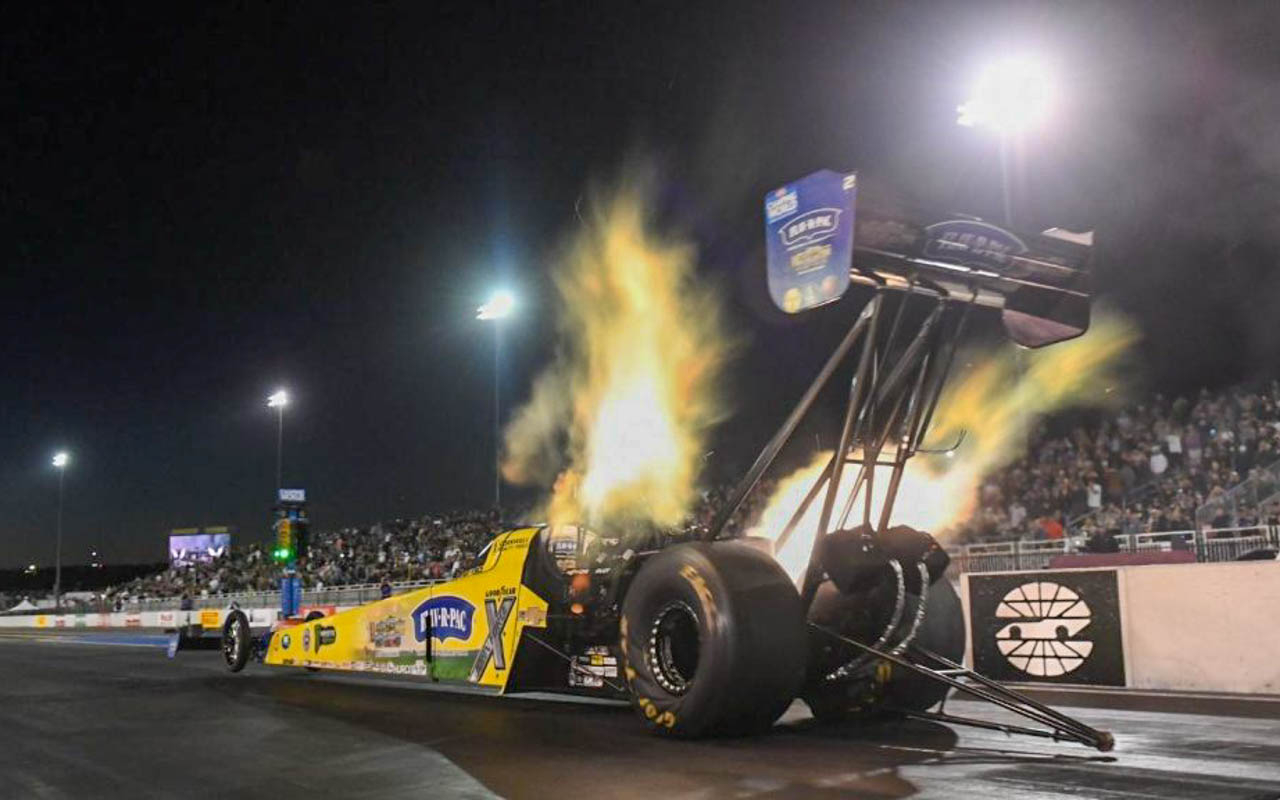
For perspective, consider the sheer brutality of an NHRA Top Fuel dragster. Its supercharged V8 engine produces over 12,000 horsepower, fueled by nitromethane.
It can rocket from 0 to 100 km/h in just 0.4 to 0.6 seconds, subjecting the driver to around 4 g, with peaks exceeding 5.6. These machines hit 160 km/h (100 mph) in under 0.8 seconds and surpass 531 km/h (330 mph) in less than 3.7 seconds over the quarter-mile.
At that point, acceleration stops being merely thrilling and becomes a true test of human endurance.
In the end, as electric performance continues to redefine what’s possible, the real challenge may not be engineering faster cars, but ensuring the human body and mind can keep up.
How quick and fast do you want to go? Share us your thoughts and comment down below.
Related Posts
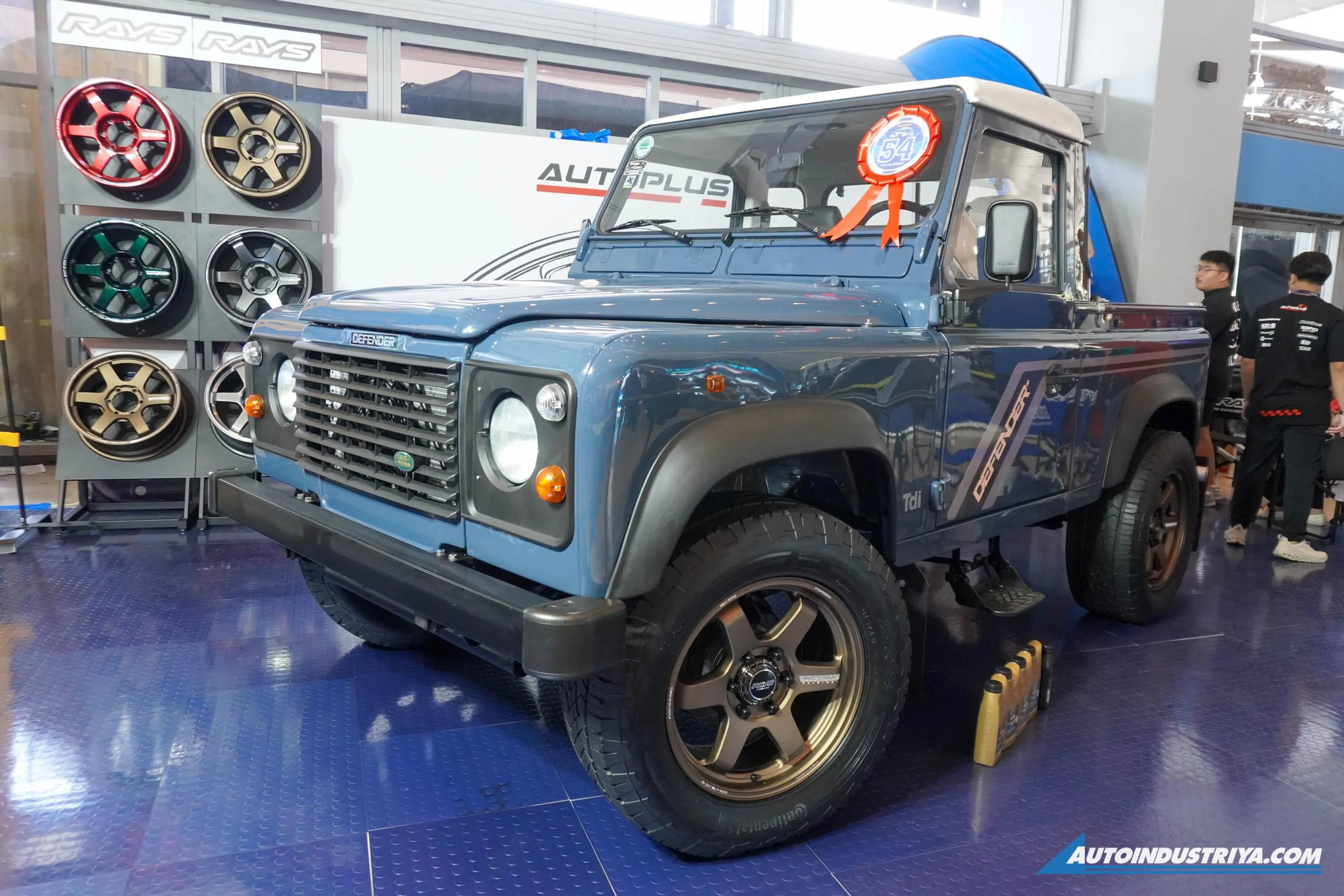
MIAS 2026: Inside the aftermarket side of this year's auto show
The aftermarket section at MIAS showcases options for car enthusiasts to personalize, enhance, and maintain their vehicles
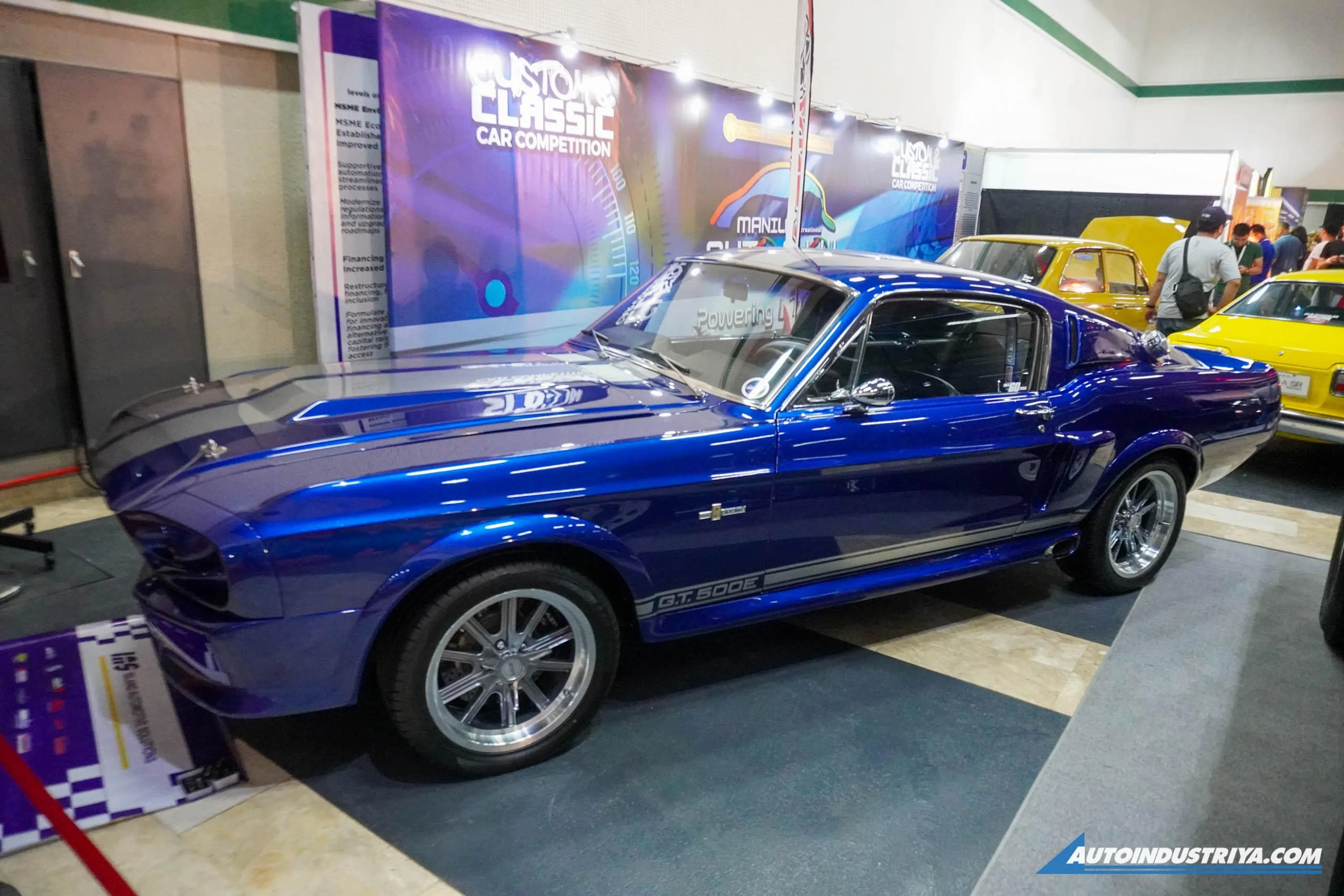
MIAS 2026: What we saw at the custom and classic car area
We take a look at some of the entries in this year's MIAS Classic and Custom Car Competition
Six things to plan ahead for 2026 Manila International Auto Show
Heading to the 2026 Manila International Auto Show? Here are some tips to make sure you maximize the experience at World Trade Center
First Impressions: Did 2026 Nissan Kicks e-Power get the right updates?
Did Nissan do enough to keep the Kicks e-Power competitive in the hybrid crossover segment with its new update?
2026 Toyota RAV4 HEV: The promised hybrid?
Is the all-new sixth-generation Toyota RAV4 HEV worth it at a starting price of PHP 2.183M?
Switching to Electrified Drive: How do you pick the right one?
Fuel price surges are naturally pushing buyers to look for alternatives, but how do you know if it's the right electrified vehicle for you?